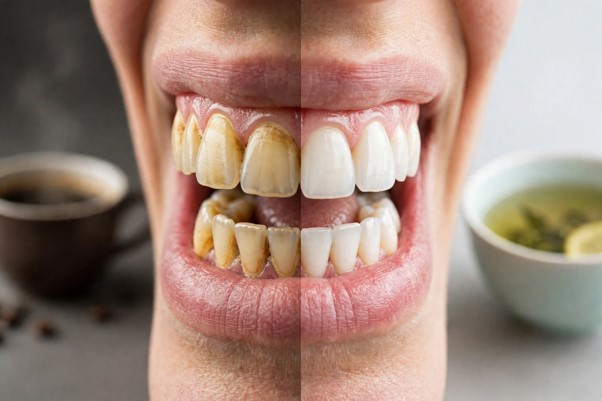
Yellow teeth are a common concern for people who want a brighter, healthier-looking smile. Teeth can gradually change colour with age, diet, and everyday habits, even when you brush regularly. However, yellowing does not always mean your teeth are unhealthy, and the right solution depends on what is causing the discolouration.
Understanding why teeth become yellow can help you choose a safe whitening approach and set realistic expectations about the results.
Why Do Teeth Become Yellow?
Several factors can affect the natural colour of your teeth. Understanding the cause can help you determine which treatment or changes to your daily routine may be beneficial.
1. Food and Drinks
Tea, coffee, red wine, and some strongly coloured foods can contribute to surface staining over time. These stains may become more noticeable when plaque accumulates or teeth are not cleaned effectively.
2. Natural Ageing
Tooth enamel gradually wears down with age, revealing more of the naturally yellow dentine underneath. This is a normal process and does not necessarily indicate poor oral hygiene.
3. Smoking and Tobacco Use
Tobacco products can cause persistent yellow or brown stains on teeth. Stopping smoking can benefit your oral health and help prevent further staining.
4. Inadequate Oral Hygiene
Plaque and hardened deposits can make teeth look yellow or dull. Regular brushing, cleaning between teeth, and professional dental hygiene appointments help control these deposits.
5. Certain Dental Conditions and Medications
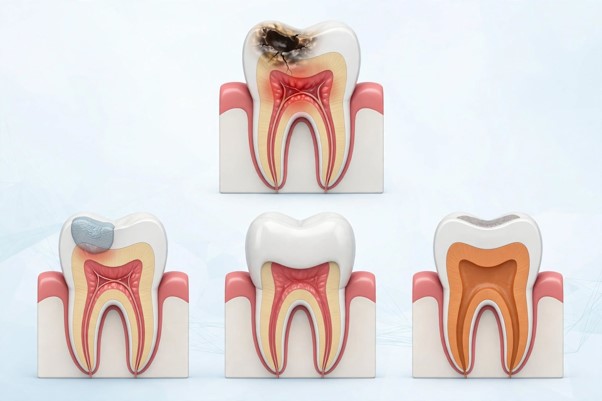
Some discolouration originates inside the tooth rather than on its surface. Trauma, developmental conditions, and certain medications can affect tooth colour. These changes may not respond well to conventional whitening products and require professional assessment.
How Can You Whiten Yellow Teeth Safely?
The best whitening method depends on the type and severity of the discolouration. Several options may help improve the appearance of your teeth.
Professional Teeth Whitening
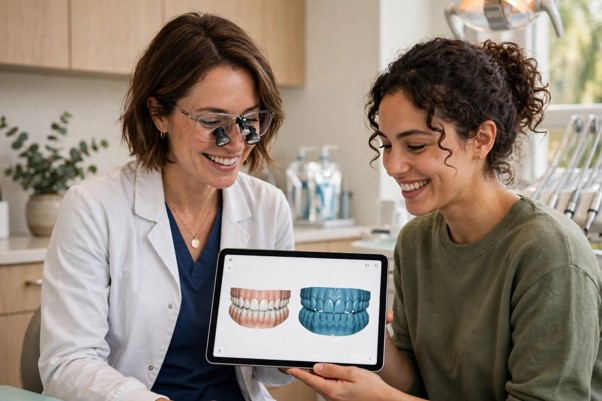
Professional whitening uses peroxide-based products to lighten natural tooth colour. Your dentist will assess your teeth and gums, discuss possible sensitivity, and explain what results are realistic for you.
Whitening can be effective for many types of yellowing, but existing crowns, veneers, and fillings do not whiten in the same way as natural teeth.
If you are considering treatment, explore professional teeth whitening in Brandon to learn more about available options and the assessment process.
Whitening Toothpaste
Whitening toothpastes can help remove some surface stains through polishing ingredients. However, they generally cannot produce the same colour change as professional bleaching because they do not significantly change the underlying colour of the tooth.
Professional Cleaning
If yellowing is caused partly by plaque, tartar, or surface stains, a professional cleaning may improve the appearance of your teeth. It also helps maintain gum health, although cleaning alone will not bleach naturally yellow enamel.
Avoid unverified whitening remedies, abrasive powders, and household chemicals. These may irritate gums or damage tooth surfaces.
How Long Do Teeth Whitening Results Last?
Results vary depending on your original tooth colour, the whitening method, and lifestyle habits. Frequent consumption of staining drinks, tobacco use, and inconsistent oral hygiene may contribute to renewed discolouration.
You can help maintain your results by brushing twice daily with fluoride toothpaste, cleaning between your teeth, and following your dentist’s advice about any maintenance treatment.
Whitening does not need to produce an unnaturally bright shade to improve your smile. Your dentist can help you choose a result that looks appropriate for your natural teeth.
Does Teeth Whitening Cause Sensitivity?
Some people experience temporary tooth sensitivity or gum irritation during or after whitening. These effects often settle, but sensitivity may be more noticeable if you already have exposed dentine, cavities, or gum recession.
A dental assessment before treatment can identify problems that may need attention first. If you develop severe or persistent sensitivity, stop using the product and seek dental advice.
For people who want to improve several aspects of their smile, cosmetic dentistry treatments may offer alternatives when whitening alone is unlikely to achieve the desired result.
Frequently Asked Questions
Can Yellow Teeth Become White Again?
Many types of yellow discolouration can be lightened with appropriate whitening treatment. However, results depend on the cause, and some internal stains may respond less predictably.
Does Brushing Harder Make Teeth Whiter?
No. Brushing too aggressively can wear enamel and irritate your gums. Use a soft-bristled toothbrush and fluoride toothpaste, with gentle brushing twice daily.
How Long Does Professional Teeth Whitening Take?
The timeline depends on the method used and your treatment plan. Some approaches produce changes relatively quickly, while others involve treatment over several days or weeks.
Can I Whiten Crowns, Veneers, or Fillings?
Whitening products change the colour of natural teeth but do not lighten existing restorations in the same way. Your dentist can discuss options if your natural teeth and restorations no longer match.
Find the Right Approach for a Brighter Smile
Yellow teeth can have several causes, so the most effective solution begins with understanding why your tooth colour has changed. Professional advice can help you avoid unsuitable products, manage sensitivity, and choose a treatment that fits your goals.
A dental consultation can establish whether whitening is appropriate or whether cleaning or another cosmetic treatment would better address your concerns.