Getting new dentures can make a real difference to your ability to eat, speak, and smile with confidence. However, it is normal for them to feel unfamiliar at first. You may notice extra saliva, mild soreness, or difficulty pronouncing certain words while your mouth adjusts.
Understanding what to expect with new dentures can help you manage the adjustment period and recognise when you need professional advice.
What Happens When You First Get New Dentures?
New dentures may initially feel bulky or slightly different from what you expected. Your cheeks, tongue, and gums need time to adapt to the appliance, and speaking or chewing may feel awkward at first.
You might also experience increased saliva production as your mouth adjusts to the new object. This usually settles with time.
Some mild pressure or tenderness can occur, but dentures should not cause persistent pain or significant sores. If discomfort continues, your dentist can assess the fit and make adjustments where necessary.
How to Eat with New Dentures
Eating is often one of the biggest challenges during the first few weeks. Start with soft foods that require minimal chewing, such as scrambled eggs, yoghurt, mashed vegetables, or soft fish.
Cut food into small pieces and chew slowly using both sides of your mouth where possible. This helps distribute pressure more evenly and may reduce the risk of your dentures moving.
As you become more comfortable, gradually introduce firmer foods. Avoid biting directly into hard foods with your front teeth until you have adapted, and be cautious with sticky or very tough foods that can dislodge dentures.
If you are struggling to eat comfortably despite taking these steps, arrange a review rather than continuing to tolerate an uncomfortable fit.
How to Speak Clearly with New Dentures
Some people notice that certain sounds are difficult to pronounce when they first start wearing dentures. Words containing “s” and “f” sounds may feel particularly challenging.
Practising by reading aloud, speaking slowly, and repeating difficult words can help you adjust. Your tongue and lips will gradually learn how to work with the new appliance.
If your dentures repeatedly slip when you speak, however, the fit may need checking. Your dentist can assess whether adjustments or other solutions are appropriate.
How to Manage Denture Sore Spots
Mild irritation can occur as your gums adapt, but painful or persistent sore spots should not be ignored. Pressure from an unevenly fitting denture may irritate the tissues underneath.
Do not attempt to reshape or trim your dentures yourself. Contact your dentist for an adjustment, and follow their advice about whether to continue wearing them before your appointment.
If you experience significant swelling, bleeding, or worsening pain, seek professional advice promptly.
How to Clean and Care for New Dentures
Good denture hygiene helps prevent unpleasant odours, staining, and irritation.
- Clean your dentures daily with a denture brush and a suitable denture-cleaning product.
- Rinse them after meals to remove food debris.
- Clean your gums, tongue, and any remaining natural teeth gently.
- Follow your dentist’s instructions about removing dentures overnight and storing them safely.
- Avoid hot water, which can distort some denture materials.
If you still have natural teeth, keeping them healthy is particularly important because they may affect the fit and support of a partial denture.
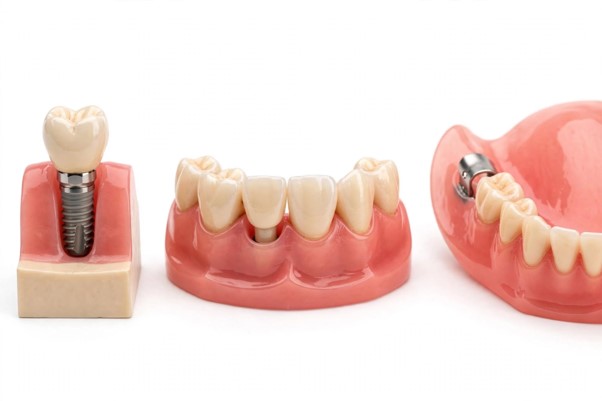
You can learn more about suitable appliances, their care, and available options on our dentures treatment page.
When Should You Visit Your Dentist?
Arrange a dental review if your dentures feel persistently loose, cause repeated sores, click when you speak, or make chewing difficult despite practice. Changes in your gums and jaw can also affect how dentures fit over time.
If you are finding it difficult to manage missing teeth with removable dentures, your dentist may also discuss whether other options, including dental implants in Brandon, could be suitable. Implant-supported solutions are not appropriate for everyone, so an assessment is essential.
Frequently Asked Questions
How Long Does It Take to Get Used to New Dentures?
Many people notice improvement over the first few weeks, although full adjustment varies. The type of denture, its fit, and your individual circumstances all influence the process.
Should I Sleep with My New Dentures In?
Unless your dentist gives different instructions for a specific reason, dentures are generally removed overnight to allow your oral tissues to rest. Follow the advice provided for your particular appliance.
Is It Normal for New Dentures to Feel Loose?
Some initial unfamiliarity is normal, but dentures should not repeatedly fall out or make eating difficult. Your dentist can check the fit and recommend appropriate adjustments.
Can I Use Denture Adhesive with New Dentures?
Adhesive may help some dentures stay in place, but it should not be used to compensate for a poorly fitting appliance. Ask your dentist whether it is appropriate for you.
Give Yourself Time to Adjust
Getting used to new dentures takes patience, practice, and sometimes a few adjustments. Start with manageable foods, practise speaking, maintain good oral hygiene, and seek professional help if discomfort persists.
With the right support and care, dentures can become a comfortable part of your everyday routine.