


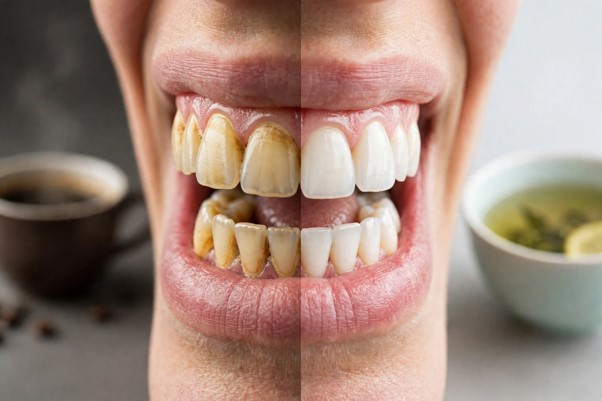
A smile makeover can help you feel more confident about the appearance of your teeth, but achieving a natural-looking result does not always require extensive dental treatment. Modern cosmetic dentistry offers several options for addressing concerns such as discolouration, small chips, uneven edges, gaps, and worn teeth.
The most effective approach starts with understanding what you want to change and choosing treatments that suit your natural teeth, oral health, and long-term needs. This is why a conservative, personalised smile makeover can be more appropriate than following a standard treatment plan.
What Is a Smile Makeover?
A smile makeover is a personalised combination of cosmetic dental treatments designed to improve the appearance of your smile. Depending on your needs, it may involve teeth whitening, composite bonding, veneers, or orthodontic treatment.
Some people want a brighter smile, while others are concerned about uneven teeth, gaps, or worn edges. Your dentist should consider these individual concerns rather than automatically recommending several procedures.
A good treatment plan also considers the health of your teeth and gums, your bite, existing dental work, and the results you can realistically expect.
Why Is Conservative Cosmetic Dentistry Important?
Conservative cosmetic dentistry aims to achieve the desired improvement while preserving as much healthy natural tooth structure as reasonably possible.
Natural enamel plays an important role in protecting your teeth. Removing healthy tissue unnecessarily can increase the complexity of future dental treatment, so the benefits and limitations of each procedure should be carefully considered.
For example, professional whitening may be sufficient if your main concern is tooth colour. A small chip may be repaired with composite bonding rather than a more extensive restoration.
You can explore different cosmetic dentistry treatments to understand which options may address your concerns without committing to treatment before a professional assessment.
Which Treatments May Be Included in a Smile Makeover?
1. Professional Teeth Whitening
Whitening may help improve yellowing and surface or age-related discolouration. It can be a suitable starting point when your teeth are healthy and you are happy with their shape and alignment.
Your dentist will assess whether whitening is appropriate and explain possible sensitivity and realistic results.
2. Composite Bonding
Composite bonding uses tooth-coloured resin to repair selected chips, close certain small gaps, and improve tooth shape. It can often be completed with minimal preparation, although the technique depends on the tooth and desired result.
Bonding may need maintenance over time because the material can chip, wear, or stain.
3. Dental Veneers
Veneers are thin coverings bonded to the front of teeth to improve their appearance. They may be considered for selected concerns involving tooth colour, shape, or proportion.
Some veneer treatments require irreversible enamel removal, so your dentist should explain the alternatives and long-term implications before treatment begins.
If veneers are being considered, explore dental veneers to learn more about their role in cosmetic treatment planning.
4. Clear Aligners
When tooth position or spacing is the main concern, orthodontic treatment may be more appropriate than cosmetic restoration alone. Clear aligners can correct selected alignment problems, depending on their complexity.
Straightening teeth before considering bonding or veneers may sometimes reduce the need to alter healthy tooth structure.
What Happens During a Smile Makeover Consultation?
Your dentist will discuss your concerns, examine your teeth and gums, and review your bite and existing restorations. Photographs, scans, or other investigations may be recommended when clinically appropriate.
You should receive an explanation of the proposed treatment options, their limitations, likely maintenance, costs, and expected timeline.
It is also important to discuss what matters most to you. Some patients prefer a subtle improvement, while others want a more noticeable change. Clear communication helps establish realistic expectations before treatment starts.
Frequently Asked Questions
Does a smile makeover always involve veneers?
No. A smile makeover may involve whitening, bonding, orthodontic treatment, veneers, or a combination of options. Some patients need only one treatment to achieve their goals.
What is the most conservative cosmetic dental treatment?
It depends on the concern. Whitening may address colour without changing tooth structure, while bonding can repair selected imperfections with little or no preparation. Your dentist can identify the most appropriate option.
How long does a smile makeover take?
The timeline depends on the treatments involved. Whitening or bonding may require relatively few appointments, whereas orthodontic treatment or multiple restorations can take considerably longer.
Are smile makeover results permanent?
No cosmetic treatment guarantees permanent results. Whitening may need maintenance, bonding can require repair, and veneers may eventually need replacement. Good oral hygiene and regular dental reviews help maintain your results.
Plan a Smile Makeover Around Your Needs
A successful smile makeover should improve your confidence while respecting the health and structure of your natural teeth. Rather than choosing treatments based solely on appearance, start with a dental assessment and discuss the most conservative options that can achieve your goals.
A personalised plan can help you understand the available treatments, make informed decisions, and work towards a smile that looks natural and suits you.